When it comes to designing and installing HVAC systems, one of the key components to consider is the ducting. Ducting plays a crucial role in distributing air throughout a building, ensuring proper ventilation and comfort for occupants. While traditional ducting systems are typically installed directly onto walls or ceilings, there is another option that offers several benefits: suspended ducting.
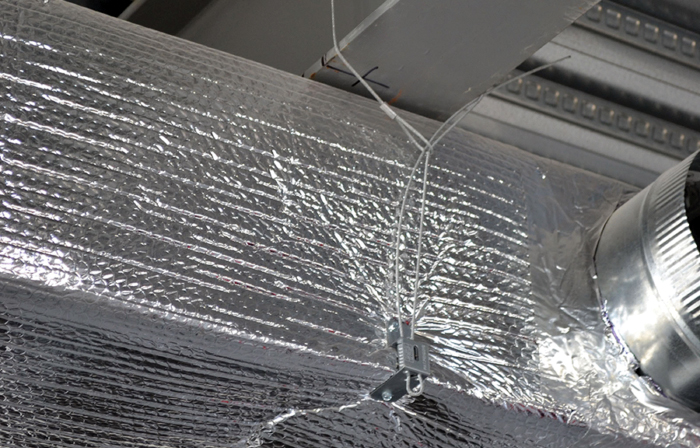
suspended ducting involves hanging the ductwork from the ceiling, rather than mounting it directly onto the walls. This method offers a range of advantages that make it an attractive option for many HVAC system designers and installers. In this article, we will explore the benefits of using suspended ducting for HVAC systems.
Improved Airflow Distribution
One of the primary advantages of using suspended ducting is improved airflow distribution. By hanging the ductwork from the ceiling, designers can more easily position the ducts to deliver air exactly where it is needed. This can help to minimize hot or cold spots within a building and ensure that every area receives adequate ventilation. suspended ducting allows for greater flexibility in duct placement, making it easier to optimize airflow patterns for maximum comfort and efficiency.
Space Savings
Another benefit of using suspended ducting is the space-saving potential it offers. Traditional ducting systems can take up a significant amount of space on walls or ceilings, limiting design options and potentially obstructing other building components. By hanging the ductwork from the ceiling, designers can free up valuable wall and floor space for other uses. This can be particularly advantageous in buildings with limited space or complex architectural features.
Ease of Maintenance
suspended ducting can also make maintenance tasks easier and more convenient. Because the ductwork is hanging from the ceiling, technicians can more easily access and inspect the ducts for damage, leaks, or other issues. This can help to identify and address problems more quickly, reducing downtime and ensuring that the HVAC system operates efficiently. Additionally, suspended ducting can be easier to clean and maintain compared to ductwork that is mounted onto walls or ceilings.
Aesthetically Pleasing Design
In addition to its functional benefits, suspended ducting can also contribute to a more aesthetically pleasing design. The clean lines and unobtrusive nature of suspended ductwork can enhance the overall appearance of a space, especially in buildings with high ceilings or open floor plans. By incorporating suspended ducting into the design of an HVAC system, designers can create a more cohesive and visually appealing environment for building occupants.
Cost-Effective Installation
Suspended ducting can also be a cost-effective option for installing HVAC systems. Because the ductwork is hung from the ceiling, there is less need for complex mounting hardware or structural modifications to accommodate the ducting. This can help to reduce installation time and labor costs, making suspended ducting a more budget-friendly choice for many projects. Additionally, the flexibility of suspended ducting can allow for easier retrofitting or modifications to an existing HVAC system, saving time and money in the long run.
In conclusion, suspended ducting offers a range of benefits for HVAC system designers and installers. From improved airflow distribution and space savings to ease of maintenance and cost-effective installation, suspended ducting can provide a practical and aesthetically pleasing solution for a variety of building projects. By considering the advantages of suspended ducting, designers can create more efficient and attractive HVAC systems that enhance the comfort and functionality of the spaces they serve.