An earthquake can strike at any moment, without warning. These natural disasters can cause extensive damage to buildings and infrastructure, leading to loss of life and economic hardship. In order to mitigate the risk of damage from earthquakes, it is essential to have a reliable seismic bracing system in place.
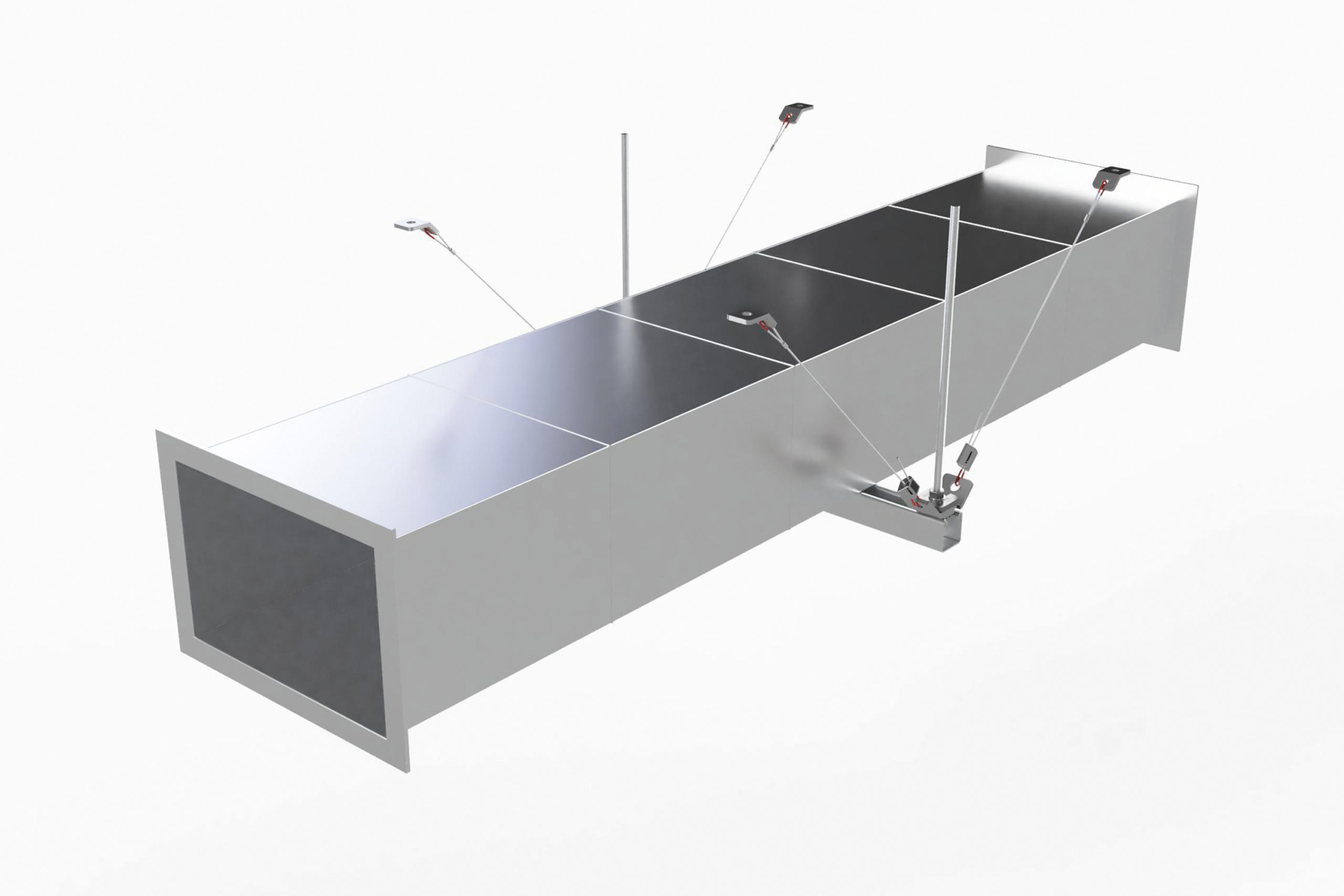
A seismic bracing system is designed to provide additional support to structures, allowing them to withstand the strong forces exerted by an earthquake. These systems are made up of a variety of components, including braces, beams, and anchors, that work together to keep the building stable during seismic activity. By implementing a seismic bracing system, building owners can protect their property and the people inside from harm.
There are several key benefits to having a seismic bracing system installed in a building. Firstly, these systems can significantly reduce the amount of damage that a building sustains during an earthquake. By providing additional support and stability, a seismic bracing system can prevent structural collapse and other catastrophic failures that can occur during seismic events.
Secondly, a seismic bracing system can help to protect the occupants of a building. By preventing collapse and other damage, these systems ensure that people inside the building are safe from harm during an earthquake. This can be especially important in densely populated areas, where the risk of injury from falling debris and collapsing structures is high.
Finally, a seismic bracing system can help to reduce the financial impact of an earthquake on a building owner. By minimizing damage and ensuring that the building remains standing, these systems can save owners the cost of repairs and rebuilding that would be necessary without proper seismic bracing.
There are several types of seismic bracing systems available, each with their own advantages and disadvantages. The most common type of seismic bracing system is a steel bracing system, which uses steel beams and braces to provide support to a building. These systems are often used in high-rise buildings and other structures where a high level of support is required.
Another type of seismic bracing system is a concrete bracing system, which utilizes concrete beams and anchors to provide stability to a building. These systems are often used in structures that have a heavy concrete construction, as the concrete can provide additional strength and stability during an earthquake.
Regardless of the type of seismic bracing system used, it is essential that the system is properly installed and maintained. A poorly installed or neglected seismic bracing system can fail to provide the necessary support during an earthquake, leading to significant damage and potential loss of life.
In conclusion, a seismic bracing system is an essential component of any building in an earthquake-prone area. By providing additional support and stability, these systems can protect buildings and occupants from harm during seismic events. Building owners should invest in a reliable seismic bracing system to ensure the safety of their property and the people inside.